
Lean Strategies for Faster Surgical Turnaround and Lower Staff Fatigue

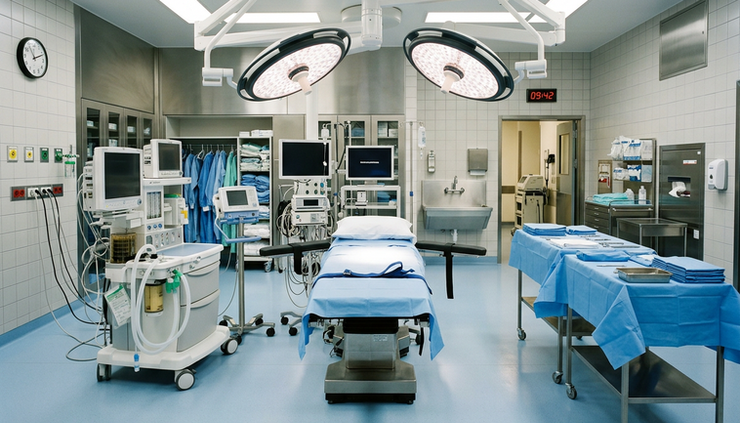
A delayed case rarely starts with one dramatic failure. More often, it starts with five small frictions: a missing instrument, an unclear room release, an unavailable porter, a late consent check, and a team that has already absorbed three interruptions before 10 a.m.
In the surgical suite, those frictions compound quickly. They lengthen OR turnaround time (TAT), push lists beyond planned hours, increase overtime, and erode staff energy. Faster turnaround is not a demand to work harder. It is a design challenge. Lean methods help teams remove the avoidable work that steals time, attention, and trust.
For physicians, perioperative leaders, hospital managers, and boards, the aim is straightforward: improve surgical flow without compromising safety, sterile practice, or staff wellbeing. The best gains come from making the work easier to do correctly every time.
Turnaround time is a system signal
Turnaround time is often defined as the interval from one patient leaving the operating room to the next patient entering. Some hospitals define it differently, which is exactly why the first step is to agree on one definition.
A useful definition should be:
Simple enough for frontline teams to understand
Consistent across specialties
Captured from reliable timestamps
Reviewed without blame
TAT is not just a theatre metric. It reflects the condition of the whole perioperative system. Environmental services, sterile processing, anesthesia, nursing, portering, pre-op, PACU, scheduling, and surgeons all influence the interval.
When leaders treat TAT as a single department’s problem, solutions tend to become punitive. When they treat it as a flow problem, the conversation improves. The question shifts from “Who caused the delay?” to “What in the system made delay likely?”
That shift matters because operating room efficiency improves when people can see the barriers clearly and remove them at the source.
Start with the real work, not the policy binder
Lean begins at the place where work happens. In healthcare, this often means observing the surgical suite workflow in real time, with respect for the people doing the work.
A walk-through should follow an actual case turnover from wheels-out to wheels-in. The goal is not to audit personalities. The goal is to see the work as it is performed on a busy day.
Look for delays such as:
Staff searching for equipment
Unclear handoffs between circulating nurses and cleaning teams
Missing preference card items
Delayed anesthesia readiness
Patient transport waiting for confirmation
Rooms cleaned but not formally released
Instruments arriving just after the team needs them
Rework after incomplete setup
The most useful observations are specific. “The room was not ready” is too vague. “The suction canister was not stocked in the standard location, so the circulating nurse left the room to find one” gives the team something to fix.
For board and executive teams, this is where Lean healthcare becomes more than a concept. It ties healthcare operations to visible work, measurable delay, and staff fatigue.
Define waste in terms clinicians recognize
Lean often describes waste through categories such as waiting, motion, overprocessing, defects, transport, inventory, and unused talent. In a surgical suite, those categories become very concrete.
Lean waste | What it looks like in the surgical suite | Likely effect |
Waiting | Room cleaned but anesthesia not ready | Longer TAT and list slippage |
Motion | Staff walking to multiple storage areas | Fatigue and lost minutes |
Defects | Wrong or incomplete tray | Case delay and rework |
Overprocessing | Duplicate documentation in different systems | Cognitive load |
Transport | Patient movement delayed by unclear ownership | Late starts |
Inventory | Too many rarely used items in the room | Clutter and setup confusion |
Unused talent | Nurses fixing recurring problems without a forum to solve them | Frustration and disengagement |
These are not abstract losses. They are minutes, steps, interruptions, and after-hours cases. They are also a contributor to clinical burnout when the same problems recur despite everyone working hard.
Build standard work around safety and sequence
Standard work is not rigid scripting. In the operating room, it means agreeing on the safest known sequence and making it easy to follow.
A strong turnover standard answers practical questions:
Who confirms the prior patient has left?
Who begins cleaning, and when?
Which items are removed first?
Which tasks can happen at the same time?
Who confirms the room is released?
Who communicates that the next patient can come?
What must be checked before wheels-in?
The key is to separate tasks that must be sequential from those that can safely run in parallel.
For example, terminal cleaning steps must follow infection prevention standards. No Lean effort should weaken that. Yet while cleaning occurs, another team member may confirm the next case tray, update the whiteboard, communicate with pre-op, and check whether anesthesia equipment is ready. Parallel work reduces idle time without rushing clinical safeguards.
A simple turnover playbook can help. It should fit on one page and reflect local practice. It should be tested by the people who will use it. If the document only works on an unusually calm day, it is not standard work. It is wishful thinking.
Use 5S to reduce searching and walking
The 5S method, sort, set in order, shine, standardize, and sustain, is especially useful in procedural areas because small searches disrupt flow.
A missing cable or misplaced positioning aid can add only two or three minutes. Across many cases and rooms, those minutes become capacity loss. They also add irritation to already demanding shifts.
A practical 5S project might focus on:
Airway carts
Positioning equipment
Basic turnover supplies
Suture storage
Cleaning supply locations
Commonly used devices
Emergency equipment checks
Good 5S is visual. If a supply has a standard location, the location should be obvious. If an item is missing, the gap should be visible. Shadow boards, labeled bins, and par levels can reduce the need for memory.
Par levels deserve special care. Too little stock causes searching and borrowing. Too much stock creates clutter and hides expired items. The right level comes from actual use patterns, not habit.
Improve preference cards before blaming the schedule
Surgeon preference cards sit at the center of many turnover problems. When they are accurate, the team prepares with confidence. When they are outdated, staff compensate through calls, workarounds, and last-minute substitutions.
Preference card improvement should be treated as clinical infrastructure.
A useful review process includes:
High-volume procedures first
A named owner for each specialty
Fast correction after a discrepancy
Removal of rarely used items
Clear separation between required and optional supplies
Periodic review with surgeons, scrub staff, and sterile processing
This is a sensitive area because preference cards reflect surgeon practice. The tone matters. The goal is not to standardize clinical judgment beyond reason. The goal is to prevent avoidable variation in setup, supply use, and instrument readiness.
Even modest improvements can reduce rework and tension. A team that trusts the card spends less time second-guessing the setup and more time preparing the patient safely.
Make constraints visible early in the day
Many surgical lists fall behind before the first incision. Late first-case starts, incomplete pre-op checks, missing equipment, bed constraints, and PACU capacity can all disrupt flow.
Lean teams use daily readiness checks to surface these issues early. This can be a short huddle, not a long meeting. The huddle should confirm the status of the day’s known risks.
Useful prompts include:
Which cases need special equipment?
Which trays have a known risk of delay?
Which patients need extra preparation?
Are PACU beds likely to constrain flow?
Are there staffing gaps in any key role?
Which rooms have the tightest turnover sequence?
The best huddles produce decisions. If the only output is awareness, the value is limited. If the team can resequence a case, prepare a backup tray, call transport earlier, or assign a runner, the huddle protects the day.
Visual management helps here. A simple board showing room status, next patient readiness, equipment risks, and cleaning status can reduce calls and repeated questions. Digital tools can help, but only when they reflect real-time conditions accurately.
Protect staff energy as a performance requirement
Staff fatigue is not a soft metric. It affects attention, communication, retention, and safety culture. A surgical unit that depends on constant personal heroics has an operational design problem.
Lean can reduce fatigue by removing needless burden:
Fewer trips to storage rooms
Fewer missing-item searches
Clearer role assignment
Better case readiness
Fewer late changes
Less rework after setup
More predictable breaks
Less overtime from avoidable delays
Break reliability deserves direct attention. Surgical teams often accept missed breaks as normal, especially during busy lists. Over time, that norm damages morale and can increase turnover. Leaders should review whether staffing plans support real breaks, not only theoretical ones.
Fatigue also rises when staff see the same problems every day with no path to fix them. A structured improvement system can help. Short kaizen events, daily issue logs, and rapid tests of change create a way for frontline knowledge to shape the system.
When improvement work ignores staff experience, it loses credibility. When it reduces the burden of the work, adoption improves.
Measure what matters without turning metrics into weapons
Measurement is necessary, but poorly used metrics can make the culture worse. If teams believe TAT data will be used mainly to criticize them, they will debate definitions, distrust reports, and avoid candor.
A better measurement set includes both flow and wellbeing signals.
Metric | Why it matters |
Median turnaround time | Shows typical performance without overreacting to outliers |
Variation by room or specialty | Reveals where the process is unstable |
First-case on-time start | Protects the rest of the day |
Case delays by reason | Points to fixable causes |
Overtime linked to list overrun | Connects flow to labor cost |
Missed breaks | Tracks staff burden |
Staff-reported barriers | Captures problems not visible in timestamps |
Same-day cancellations due to readiness issues | Shows planning failures |
Metrics should be reviewed close to the work. A monthly executive dashboard has value, but frontline teams need faster feedback. Weekly review can show whether a change is helping. Daily review can identify a barrier before it becomes normal.
The board-level view should connect surgical throughput, access, cost, safety, and workforce stability. Faster TAT only matters if it supports better care and a healthier operating model.
Remove bottlenecks between departments
Turnover improvement often stalls when the operating room improves its part but dependent systems do not change with it. Sterile processing, bed management, pre-op, PACU, and transport all shape the pace of surgery.
Common cross-department bottlenecks include:
Instruments not available when the room is ready
PACU holds that delay patient exit
Ward bed delays that back up recovery
Pre-op documentation completed too close to scheduled time
Transport requests placed after the room is already waiting
Equipment shared across rooms without clear priority rules
These problems require shared governance. A perioperative management group should have the authority to fix handoffs across departments. If each unit protects its own metric while the patient waits, the system loses.
This is also where outside healthcare consulting can be useful, especially when internal teams are too close to long-standing conflicts. The consultant’s value should not be a thick report. It should be helping leaders see flow across boundaries, test changes quickly, and build internal capability.
Use scheduling rules that reflect real variation
A schedule that assumes every turnover is identical will create daily frustration. Case type, specialty, anesthesia needs, patient complexity, room location, equipment availability, and team familiarity all affect flow.
Lean scheduling does not mean filling every minute on paper. It means planning work that can actually be performed.
Practical scheduling improvements include:
Protecting first-case readiness
Grouping cases that use similar equipment when safe and reasonable
Avoiding unrealistic turnover assumptions for complex cases
Building clear rules for add-ons
Matching staffing to expected workload, not only room count
Reviewing recurring overruns by service line
Planning for instrument reprocessing time
Boards often focus on utilization, which is reasonable. Yet very high scheduled utilization without buffers can backfire. It may increase overtime, cancellations, and staff fatigue. The goal is reliable flow, not the appearance of full rooms on a planning sheet.
Lead the change with discipline and respect
Lean work in surgical services succeeds when leaders combine discipline with respect for clinical reality. That means setting clear expectations while listening closely to staff who know the friction points.
Effective leaders do three things consistently.
They go to the work. Reports tell part of the story, but observation shows the causes behind the numbers.
They remove barriers. If staff identify the same missing equipment issue week after week and nothing changes, engagement falls.
They avoid blame. Accountability is still needed, but most delays come from process design, not lack of effort.
A good improvement cycle starts small. Pick one room, one specialty, or one turnover segment. Measure the baseline. Test a change. Ask the team what improved and what became harder. Adjust. Then spread only after the method works in normal conditions.
Large perioperative transformations often fail because they try to change everything at once. Surgical teams trust improvements that solve real problems without adding unnecessary documentation.
What a frictionless surgical suite looks like
A frictionless surgical suite is not silent, perfect, or free of surprises. Surgery will always involve clinical judgment, urgent changes, and human complexity.
The difference is that avoidable friction no longer dominates the day.
In a healthier system:
The next patient is ready before the room waits
Cleaning starts promptly and follows a clear standard
Instruments and supplies are where the team expects them
Preference cards reflect current practice
Handoffs are brief and complete
Delays are visible early enough to manage
Staff can take breaks more reliably
Leaders review problems without blame
Improvement ideas move from observation to testing quickly
That kind of suite does not emerge from slogans. It comes from repeated, disciplined work on the small barriers that shape daily performance.
The strongest Lean strategy is simple: make the right work easier, make delay visible, and protect the people who keep the operating room running. Faster turnaround and lower fatigue are not competing goals. Designed well, they support each other.


